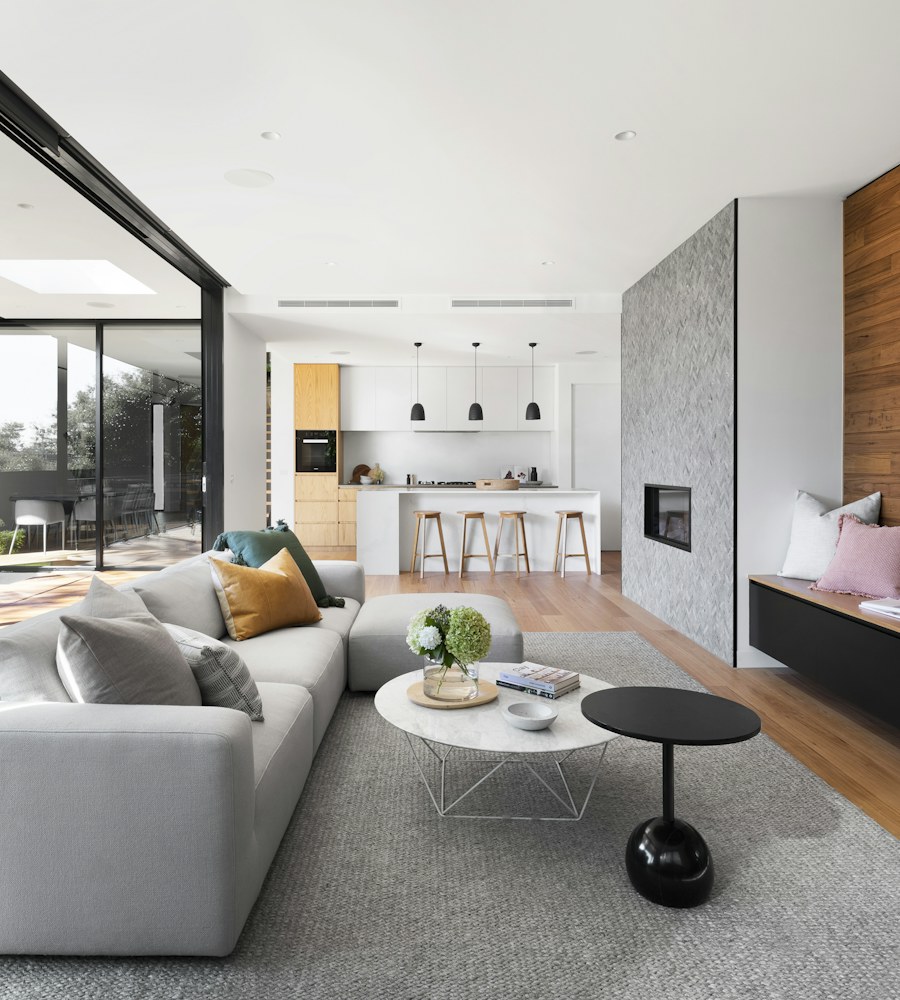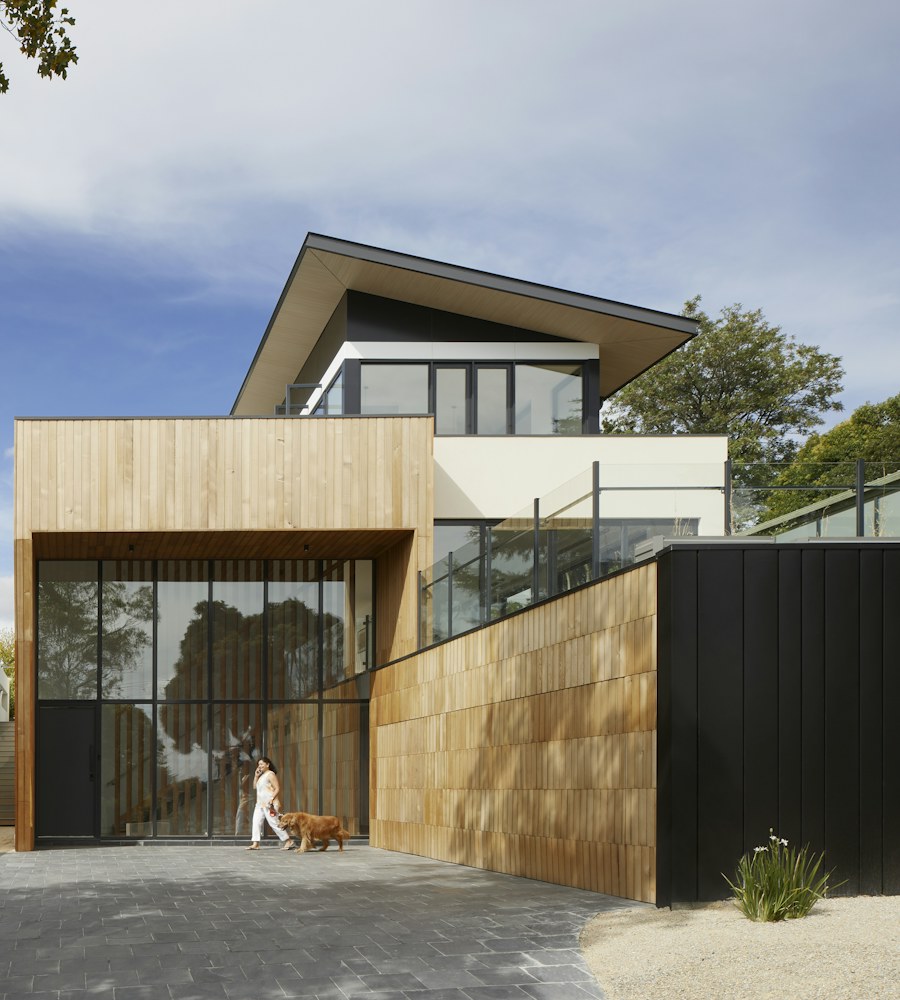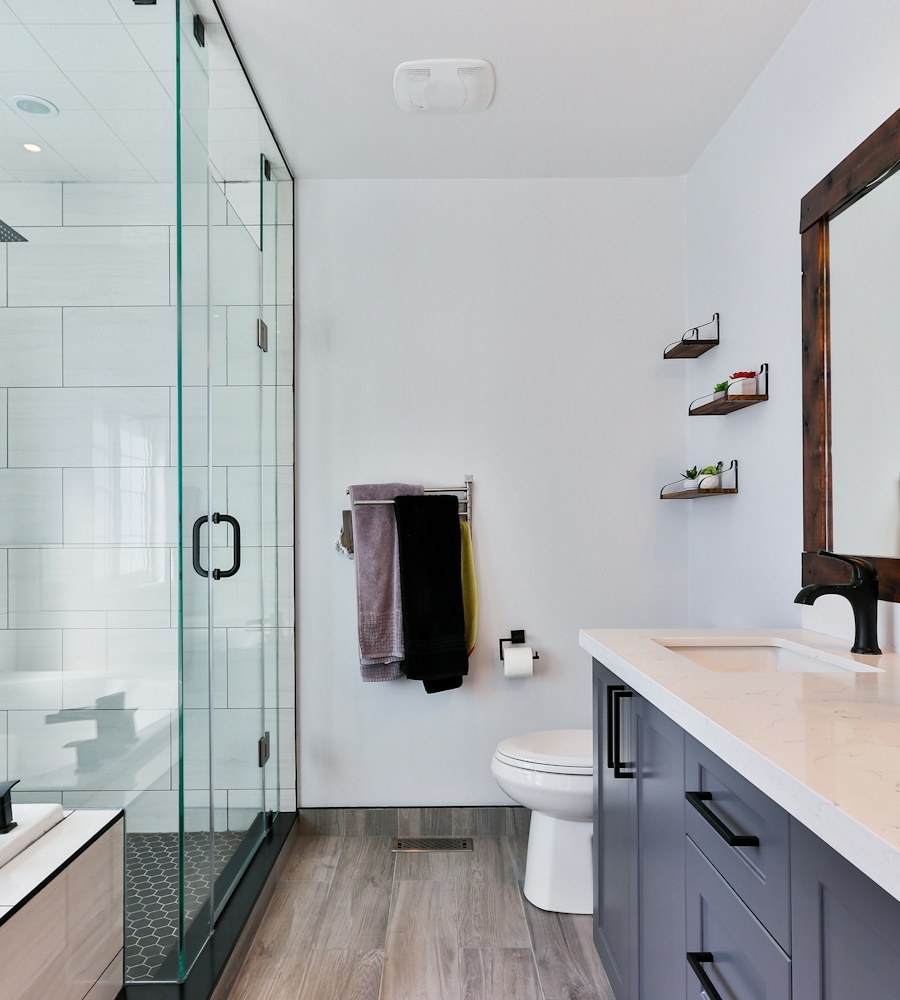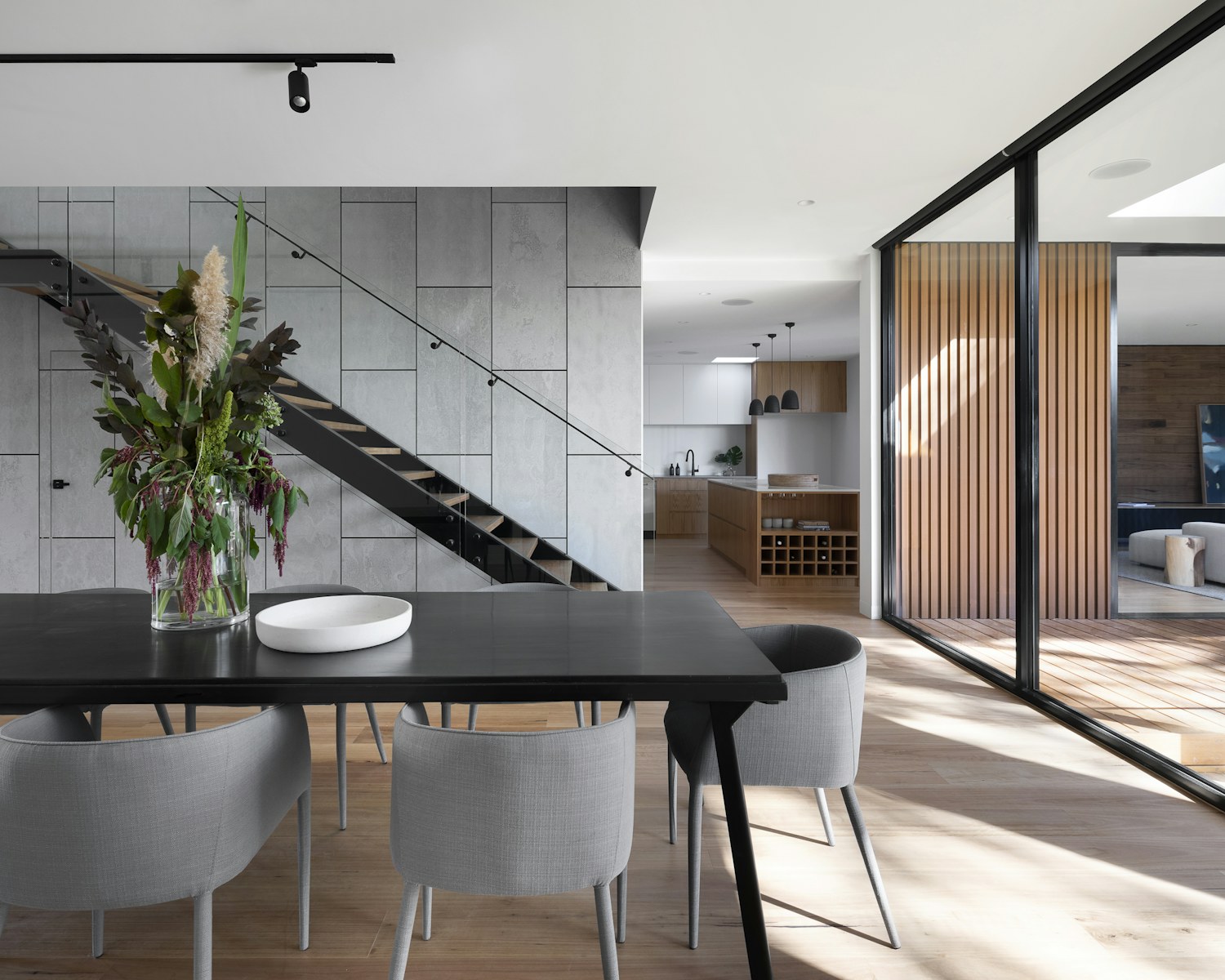
A high-end-looking room is rarely about buying the most expensive object. It is more often about proportion, consistent materials, lighting and leaving enough visual breathing room. Renters can improve all four without remodeling the apartment.
The trick is to make a few deliberate choices rather than trying every decor trend at once.
Start by editing what is visible
Before buying anything, clear one major sightline—from the entrance toward the window or the main seating area. Remove cardboard boxes, duplicate small accessories and the stack of items waiting for a proper home.
Not every object needs to disappear. A lamp, a book and one useful tray can look intentional. Twenty small things scattered across a counter usually do not.
Nine changes that make a difference
1. Use a small, consistent palette
Choose one background neutral, one complementary material and one accent color. Repeat them across textiles, storage and accessories. Consistency matters more than matching everything exactly.
2. Treat lighting as part of the furniture plan
One overhead fixture makes a room feel flat. A stable floor lamp near the sofa and a task lamp by the desk create functional layers. US DOE LED guidance can help when choosing efficient bulbs.
3. Choose storage that hides everyday friction
The visible clutter usually comes from things used every day: charging cables, mail, keys and spare toiletries. A few well-placed trays and modular bins work better than attractive containers with no assigned purpose.
4. Pay attention to the size of the rug
A rug that is too small can make furniture feel disconnected. Measure the actual seating footprint and test a paper outline on the floor before ordering.
5. Make curtains feel deliberate
A suitable treatment should have the right width and fall for the window, rather than a panel that stops awkwardly. For installations with no new holes, see Curtains without drilling. Do not exceed rod load limits or obstruct operable windows.
6. Use fewer, larger visual accents
A single framed artwork or one carefully proportioned lamp may be more effective than many tiny decorative pieces. If wall hanging is not permitted, display art on a stable low surface instead.
7. Repeat one material quietly
A wood-tone tray, matching picture frame and small shelf detail can make separate corners feel related without buying a matching furniture set.
8. Keep hardware and surfaces in good condition
Clean cabinet pulls, repairable scuffs reported to maintenance and a tidy baseboard line affect the overall impression. Do not modify fixtures owned by the landlord without permission.
9. Leave functional space around furniture
A room with an unobstructed walking route looks calmer and works better. Do not cram in a console just because it appears in a reference photo.
What is worth spending more on?
Prioritize items you touch and use often: a comfortable task chair, a stable lamp or appropriately sized window coverings. Cheap decorative purchases can add up while doing little for the space. Measure first, compare build quality and choose pieces that can move to a different apartment.
Tall wardrobes and shelving require special care: the CPSC recommends furniture anchoring to reduce tip-over risks. A high-end look never justifies unstable furniture.
What to avoid
- Too many competing metal finishes in a single small area.
- Identical decorative accessories on every surface.
- Wall films applied without checking paint and lease restrictions.
- Heavy curtains on an undersized no-drill rod.
- Untethered electrical cords across a walkway.
- Removing safety equipment for the sake of a cleaner photo.
A simple weekend refresh
Friday: clear counters, sort items by use and make a shortlist. Saturday: shift one furniture piece, add a useful tray and check lighting. Sunday: review the space in daylight and evening and buy only the one item that solves the remaining visible problem.
The most sophisticated renter-friendly room is still easy to live in. You should not have to move decorative objects just to set down your keys.
FAQ
Do I need designer furniture? No. Proportion, condition, layout and light often have greater visual impact than price.
Can I make a small apartment elegant without drilling? Yes, with portable lighting, correctly sized rugs, freestanding accessories and carefully selected removable options.
Should I follow a single decor style? A consistent palette helps, but the room must fit your daily routine more than a strict style label.
Sources and further reading
These references support specific planning, installation or safety guidance. Always check the current manufacturer instructions and your lease.